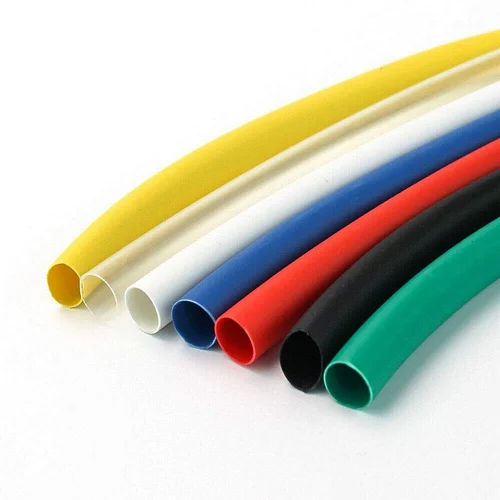
About Silicone Electrical Overhead Line Insulation sleeves
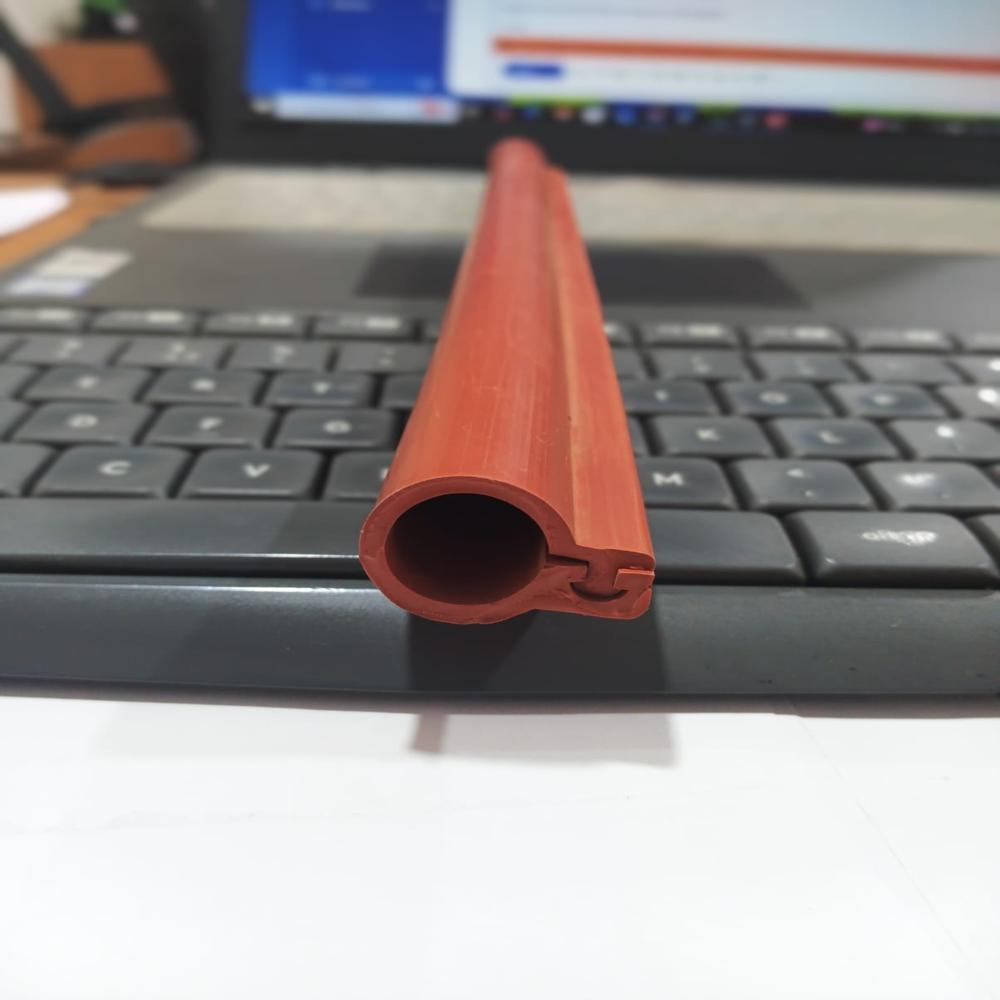
The innovative product design, ease of installation. Use silicon rubber material, anti-aging, corrosion resistance, with good resistance to corona resistance, high temperature performance, especially suitable for the protection of the bare wire. Widely used in substation protection works and railway catenary system, a significant effect in the cross-lines.
FEATURE
Soft and fold-resistant
Long service life, anti-aging, and corrosion resistance
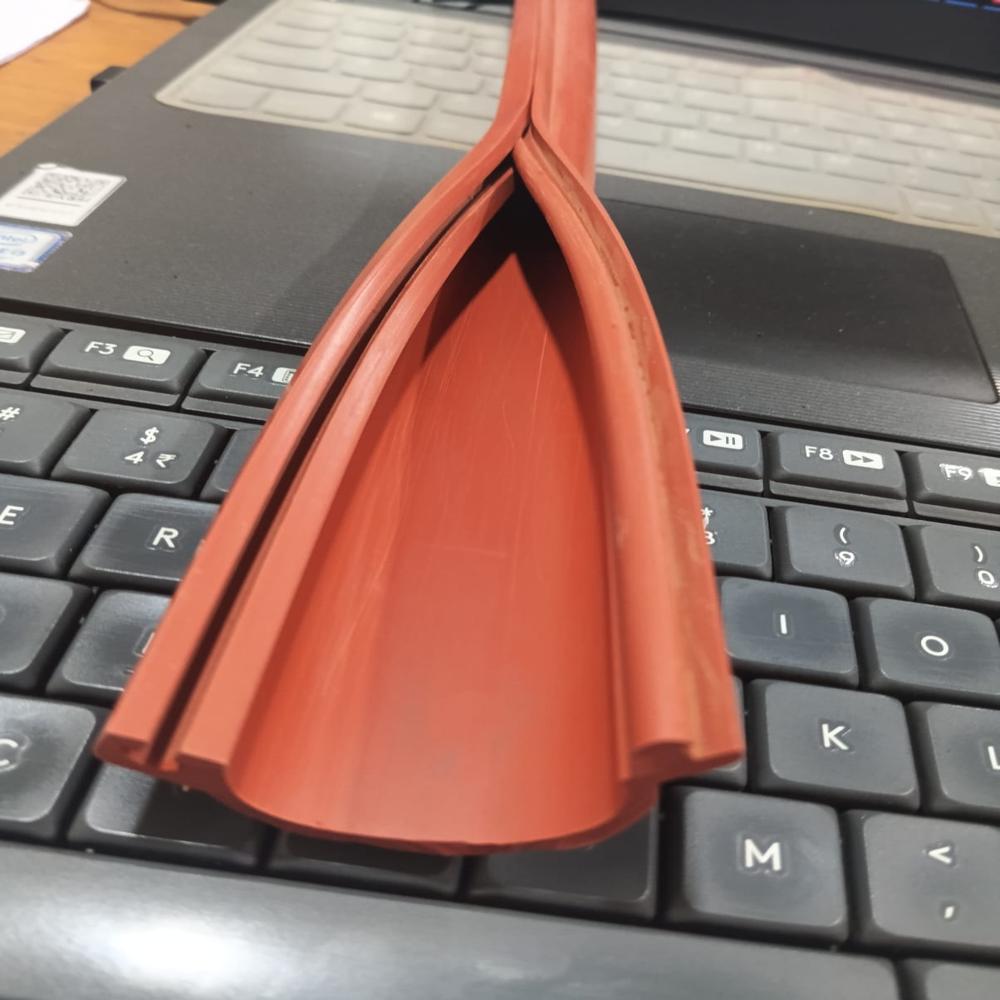
Simple installation, no fire, power outage construction time is short
Technical Details 
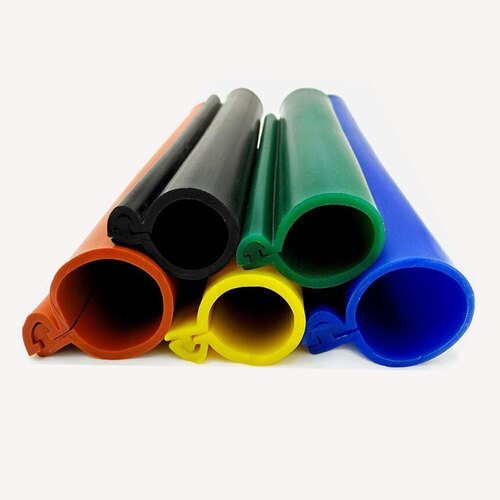
Versatile Application SolutionsThese silicone insulation sleeves are engineered for a range of applications, from electrical winding insulation to base and shell coverings. Their durable profile and electrical properties make them suitable for use in overhead lines, base insulation, and switchgear protection. The color options facilitate easy circuit identification, meeting the diverse requirements of electrical systems.
Superior Electrical PerformanceWith their high-grade silicone material, these sleeves deliver exceptional dielectric strength and thermal stability. Their unique hardness and density values ensure effective performance in challenging environments, minimizing the risk of electrical failures. They are tailor-made to adapt to heavy-duty electrical operations, offering long service life and consistent protection.
FAQs of Silicone Electrical Overhead Line Insulation sleeves:
Q: How are silicone insulation overhead line covers installed in electrical systems?
A: Silicone insulation overhead line covers are typically slipped or wrapped over conductors, busbars, or components requiring insulation. Their profile shape enables a snug fit, ensuring reliable electrical protection once secured in place. Installation is straightforward and does not require special tools.
Q: What benefits do silicone insulation sleeves offer over traditional insulation materials?
A: Silicone insulation sleeves provide excellent electrical insulation, superior resistance to heat, moisture, and UV exposure, and maintain flexibility over a wide temperature range. They also offer enhanced durability and longevity compared to traditional plastic or rubber alternatives.
Q: When should these sleeves be used in electrical infrastructure?
A: These sleeves are ideal for use during the setup or retrofitting of heavy electrical lines, electrical winding insulation, switch baseplate protection, or when additional insulation is required to prevent short circuits and enhance operational safety.
Q: Where can silicone insulation overhead line covers be utilized most effectively?
A: They are most effective in overhead electrical lines, base and shell insulation, winding wire protection, and switchgear applicationsespecially where consistent insulation and durability are critical, such as industrial plants, substations, and high-voltage environments.
Q: What is the manufacturing process for these silicone insulation sleeves?
A: The sleeves are manufactured by molding high-purity silicone into specified profiles, then curing them to achieve the designated hardness (65-70 SHOR A) and density (1.6 kg/m). Rigorous quality checks ensure consistent electrical and mechanical properties.
Q: How does the color coding (red, green, black, grey) benefit electrical installations?
A: The variety of color options helps in identifying different phases or circuits, which simplifies maintenance, improves safety, and reduces the likelihood of connection errors during installation or repair.






 Send Inquiry


 Send Inquiry
 Send Inquiry
 Send SMS
 Call Me Free
 English
 Spanish
 French
 German
 Italian
 Chinese (Simplified)
 Japanese
 Korean
 Arabic
 Portuguese